

Curbs on LGBTQ+ rights and a halt to US funding may reverse decades of progress in fight to end Aids epidemic, warns UNAids
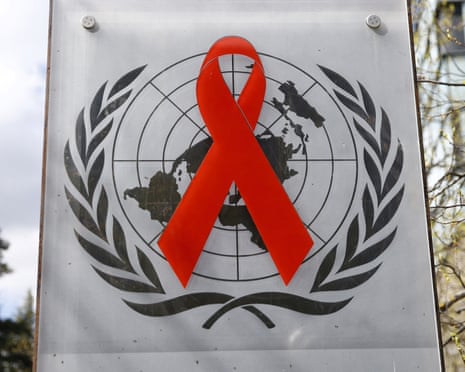
SearchSupport usPrint subscriptionsNewslettersDownload the appSearch jobsDigital ArchiveGuardian LicensingAbout UsThe Guardian appVideoPodcastsPicturesInside the GuardianGuardian WeeklyCrosswordsWordiplyCorrectionsTipsSearch input google-search SearchSearch jobsDigital ArchiveGuardian LicensingAbout UsWorldEuropeUS newsAmericasAsiaAustraliaMiddle EastAfricaInequalityGlobal development The UNAids report said the number of people infected by HIV or dying from Aids-related causes in 2024 was the lowest for more than 30 years. Photograph: Denis Balibouse/ReutersView image in fullscreenThe UNAids report said the number of people infected by HIV or dying from Aids-related causes in 2024 was the lowest for more than 30 years. Photograph: Denis Balibouse/ReutersGlobal developmentHigh-risk HIV groups facing record levels of criminalisation as countries bring in draconian lawsCurbs on LGBTQ+ rights and a halt to US funding may reverse decades of progress in fight to end Aids epidemic, warns UNAids
About this contentKat Lay, Global health correspondentThu 10 Jul 2025 05.30 EDTLast modified on Thu 10 Jul 2025 17.17 EDTSharePeople at higher risk of HIV, such as gay men and people who inject drugs, are facing record levels of criminalisation worldwide, according to UNAids.


No comments:
Post a Comment